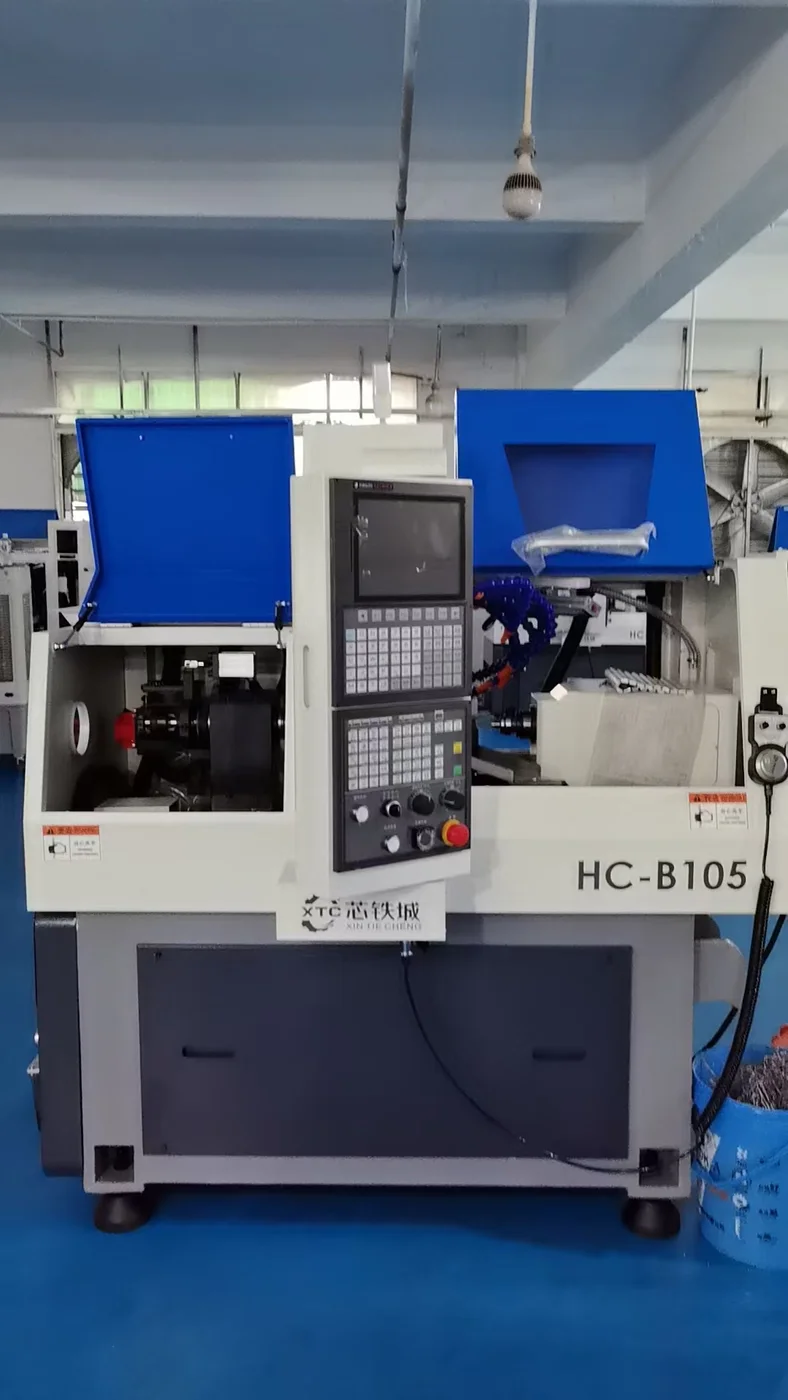
Three-Axis or Dual-Spindle? Start with the Required Operations
A practical comparison of compact three-axis and five-axis dual-spindle platforms based on front work, back-working, powered tools and actual part requirements.
Read the complete guide → Goodlife
Permanent technical articles built from current manufacturer specifications, factory technical documentation and drawing-led engineering review. Every guide connects to relevant machines, real machining videos and a clear inquiry path.
The homepage shows up to 12 recent guides. Use the title menu to open any published guide, including older articles as the library grows.
A practical comparison of compact three-axis and five-axis dual-spindle platforms based on front work, back-working, powered tools and actual part requirements.
Read the complete guide →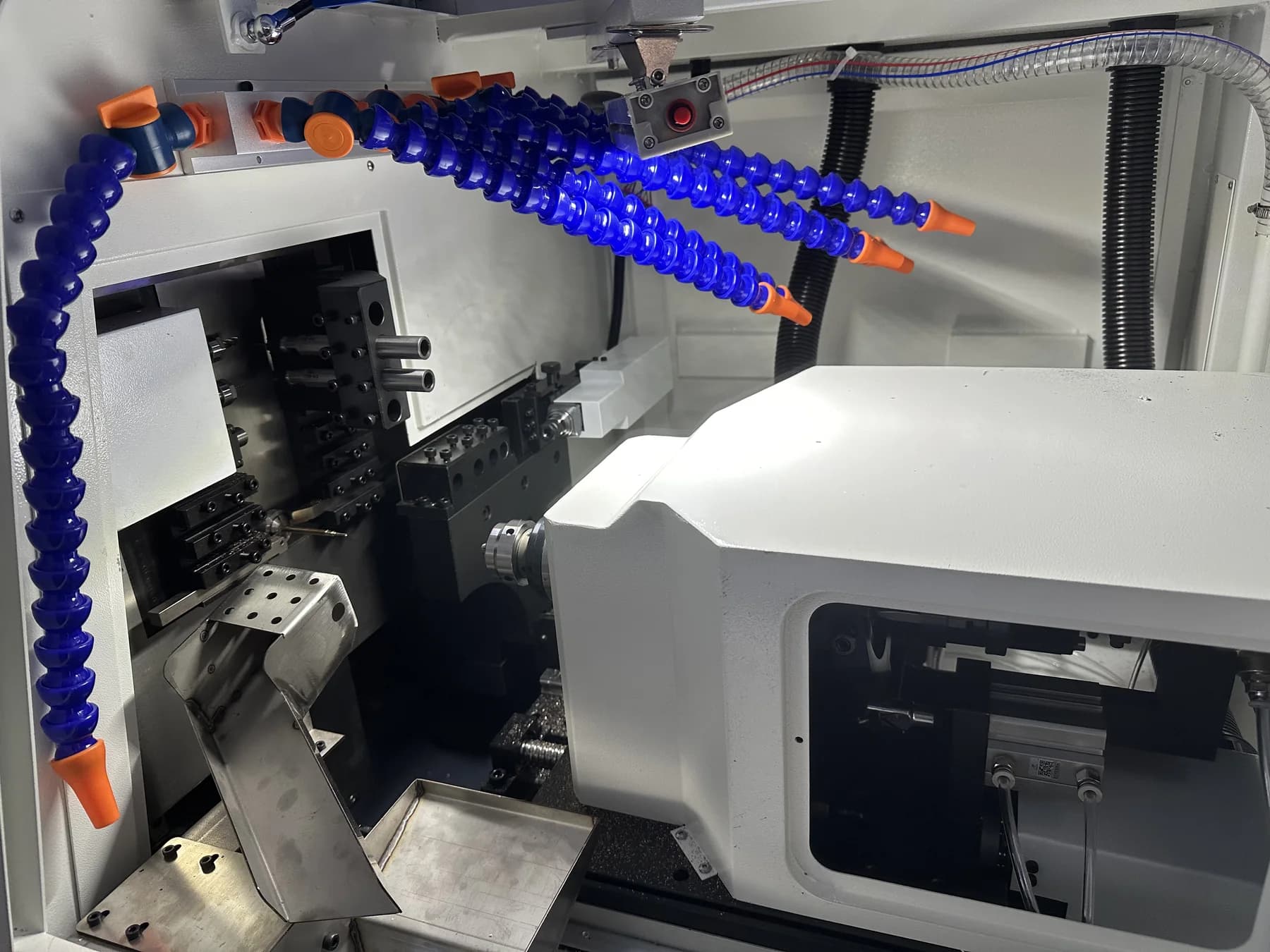
Why a useful machine comparison maps every turning, drilling, milling, tapping and cutoff step before comparing tool counts or model names.
Read the complete guide →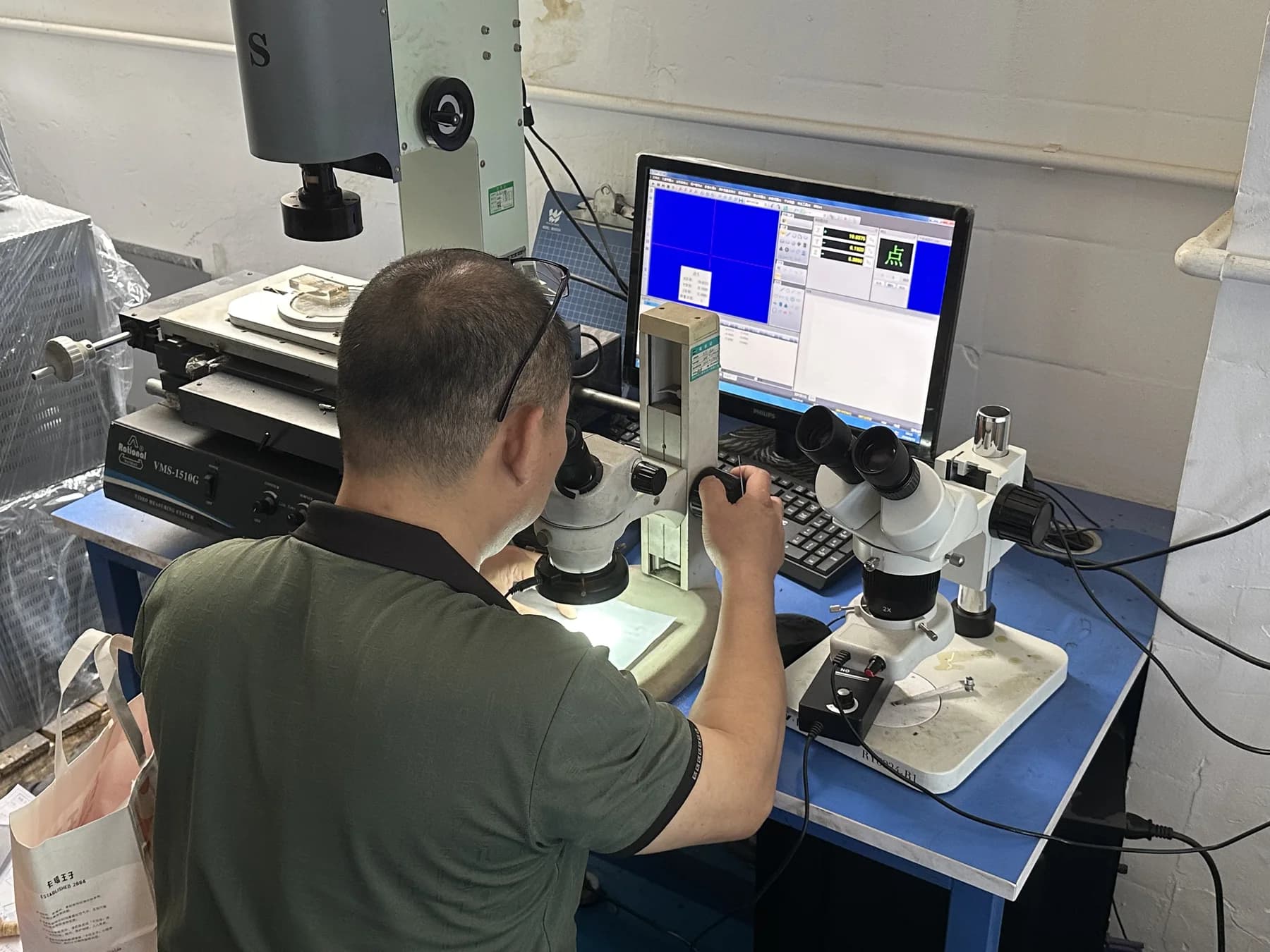
A buyer-focused checklist for confirming machine identity, configuration, test conditions, inspection evidence and unresolved application questions before quotation or acceptance.
Read the complete guide →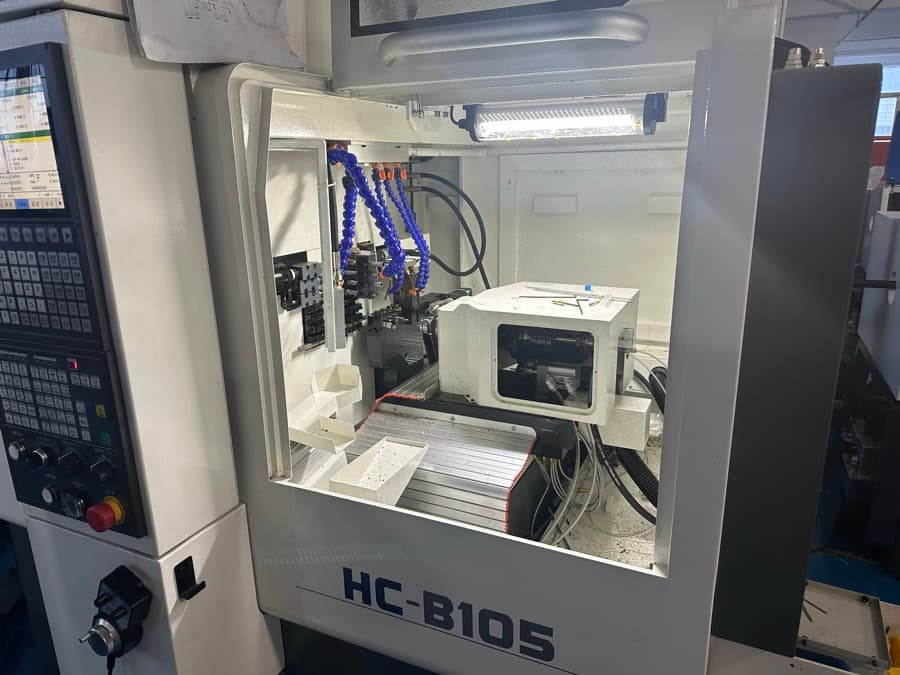
A practical explanation of material feeding, guide support, tool movement and why the final machine choice must follow the actual part drawing.
Read the complete guide →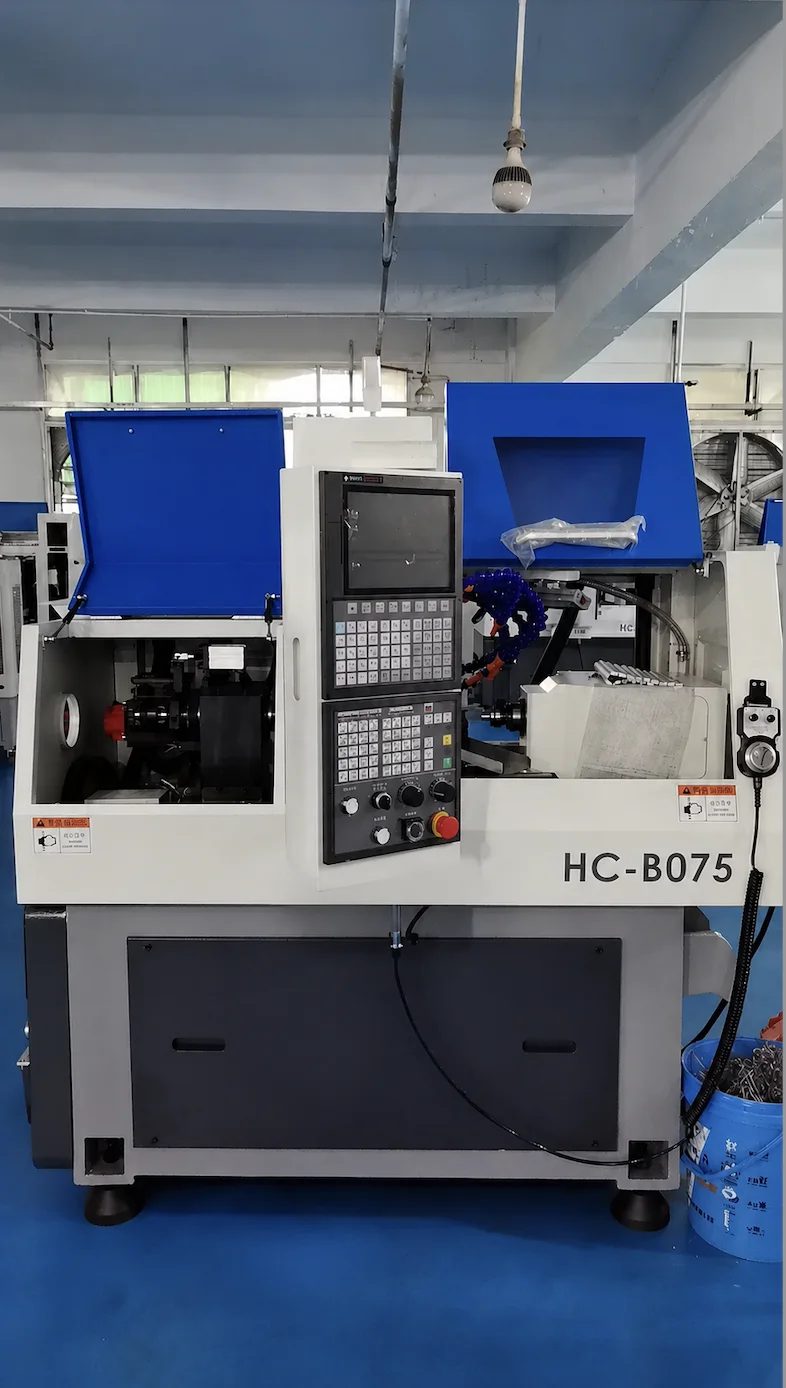 7 mm class · HC-B07510 mm class · HC-B105
Why maximum part diameter is an early filter—not the final answer—when comparing 7 mm and 10 mm Swiss-type CNC lathe platforms.
Read the complete guide →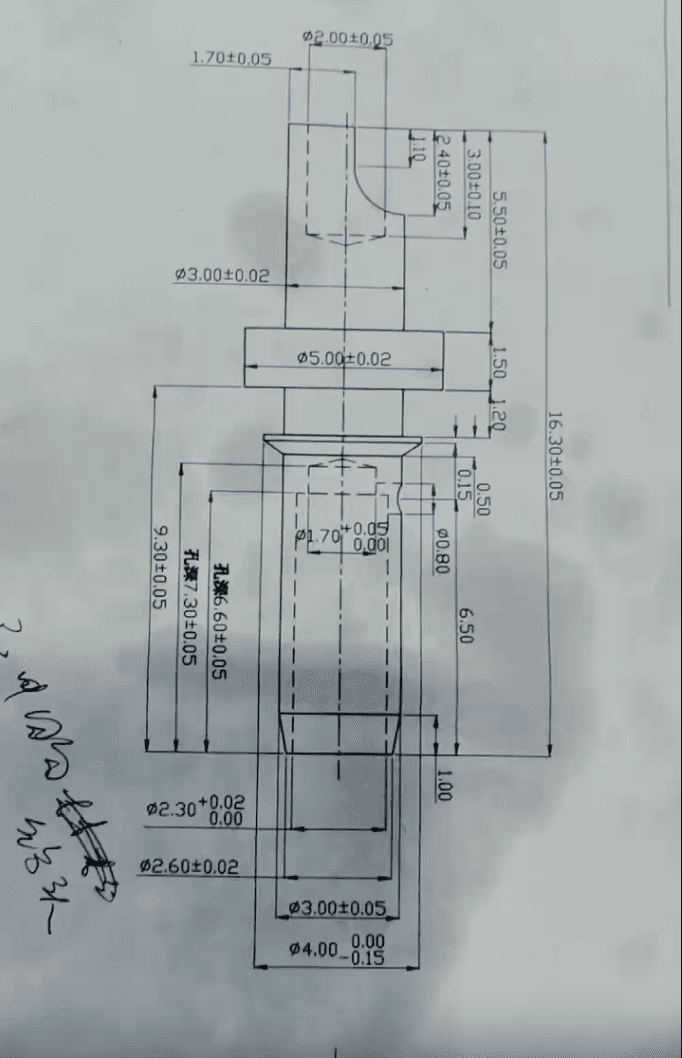
A drawing turns a general machine inquiry into a practical review of diameter, material, tolerance, operations, tooling and production quantity.
Read the complete guide →