Begin with the operation list, not the axis count
A buyer may assume that more axes automatically mean a better machine. In practice, a machine is only better when its architecture removes operations that the part actually requires. Start by listing turning, front drilling, cross drilling, milling, tapping, indexing, cutoff and any work needed on the back of the part.
The drawing should also confirm the largest diameter, machined length, material, tolerance and production quantity. These facts establish whether a compact process is enough or whether front-and-back coordination deserves further review.
What the current three-axis platforms cover
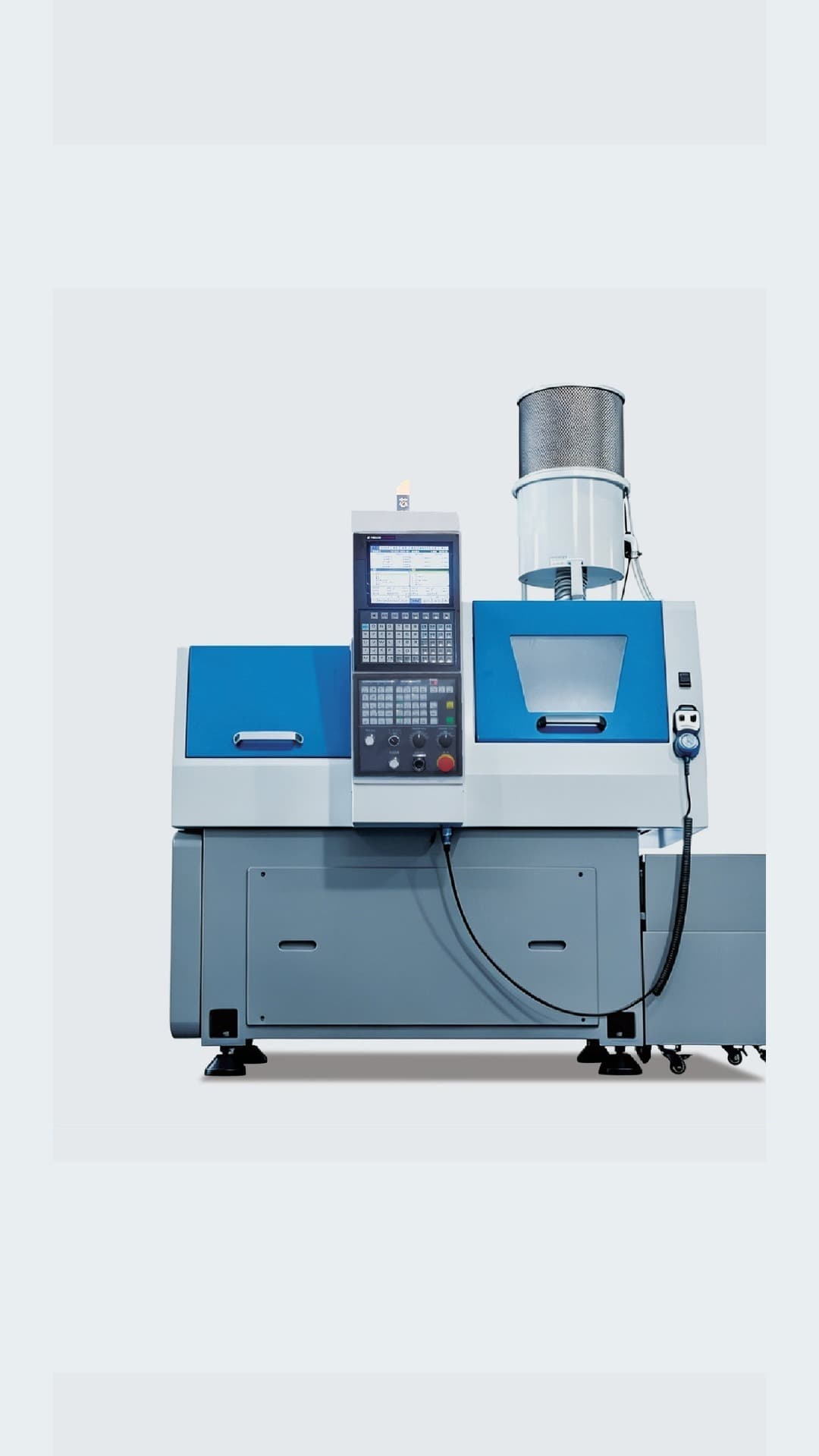
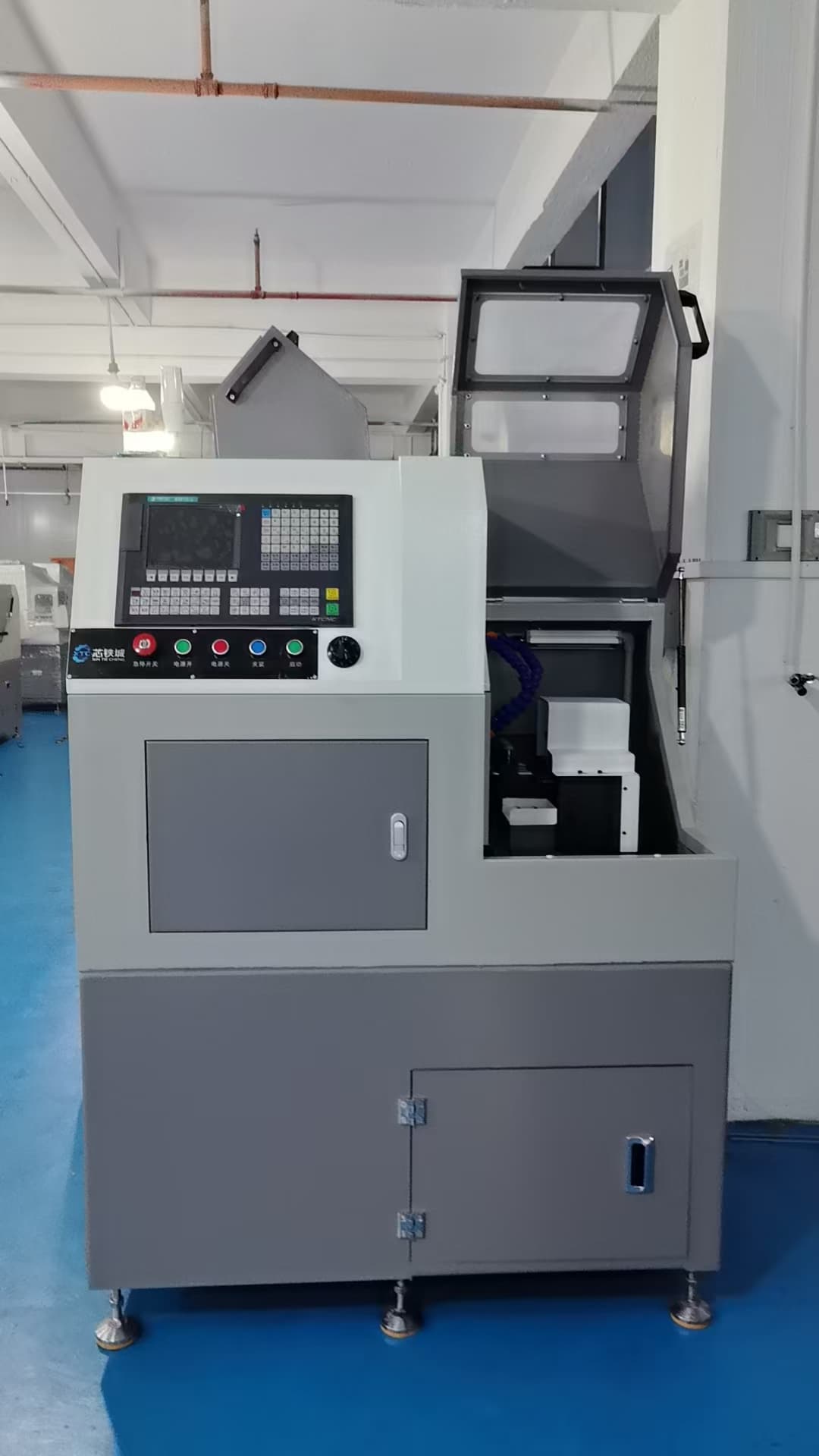
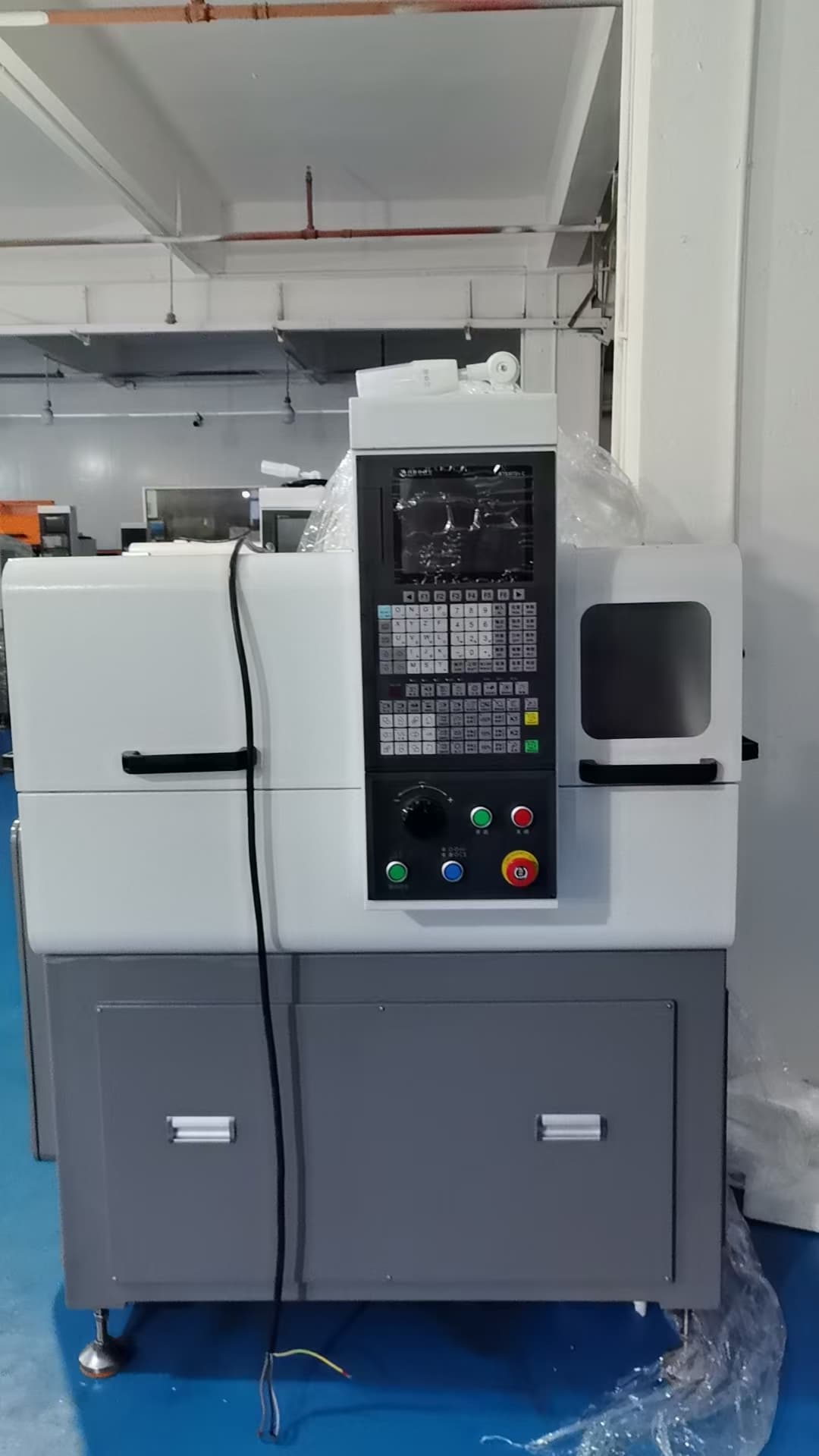
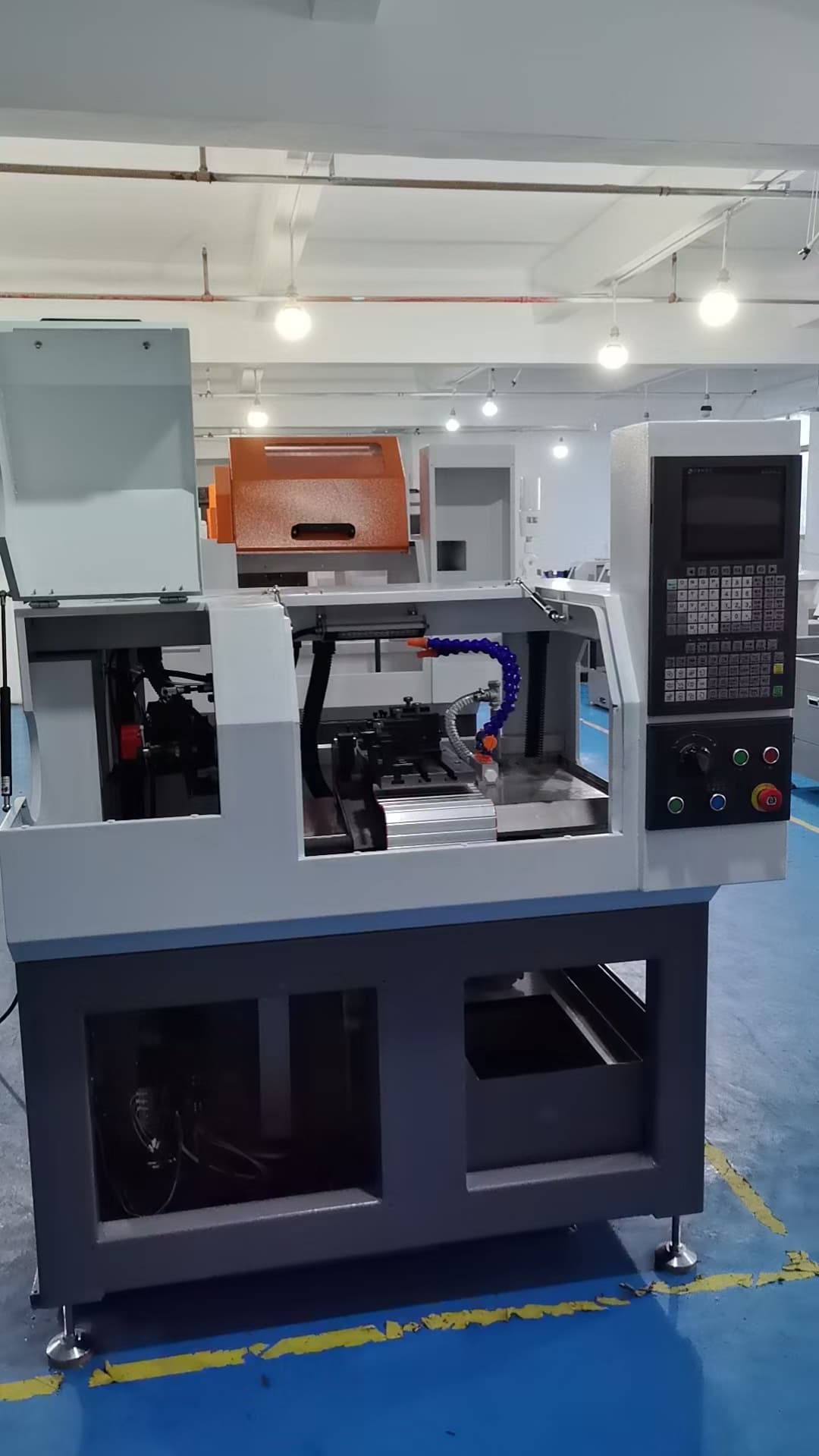
The current range includes several three-axis platforms with different tool arrangements. HC-B103 is a 10 mm platform with 14 tools. HC-07Y is a 7 mm Y-axis platform with 11 tools. HC-07BAO is a 7 mm platform with 7 tools, a C-axis and one powered tool for indexed work. HC-07D is a practical 7 mm row-tool platform with 9 tools for turning and drilling.
These are not interchangeable descriptions. The useful choice depends on which operations must happen in one setup and which tool arrangement the drawing demands.
When a dual-spindle platform becomes relevant
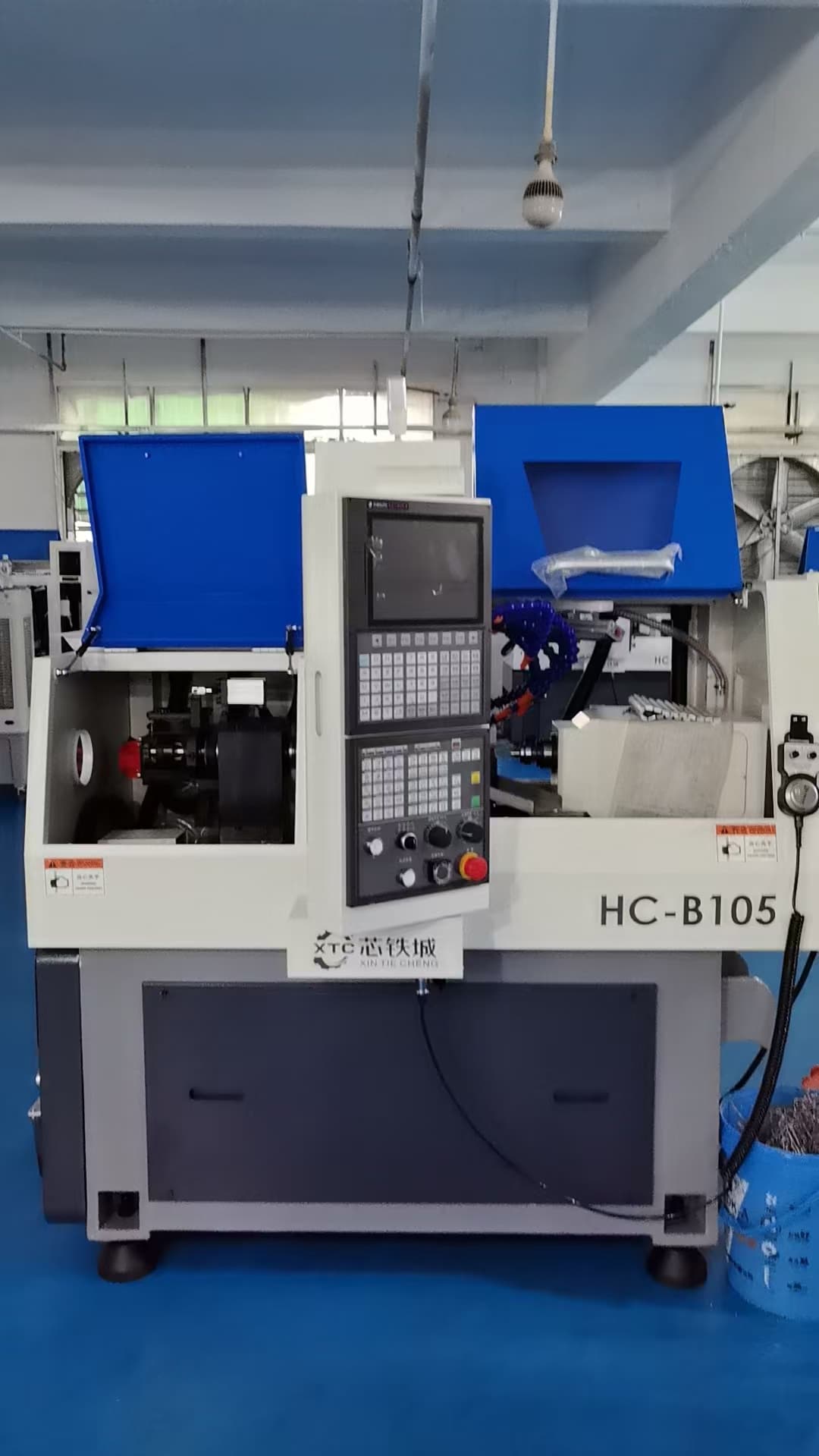
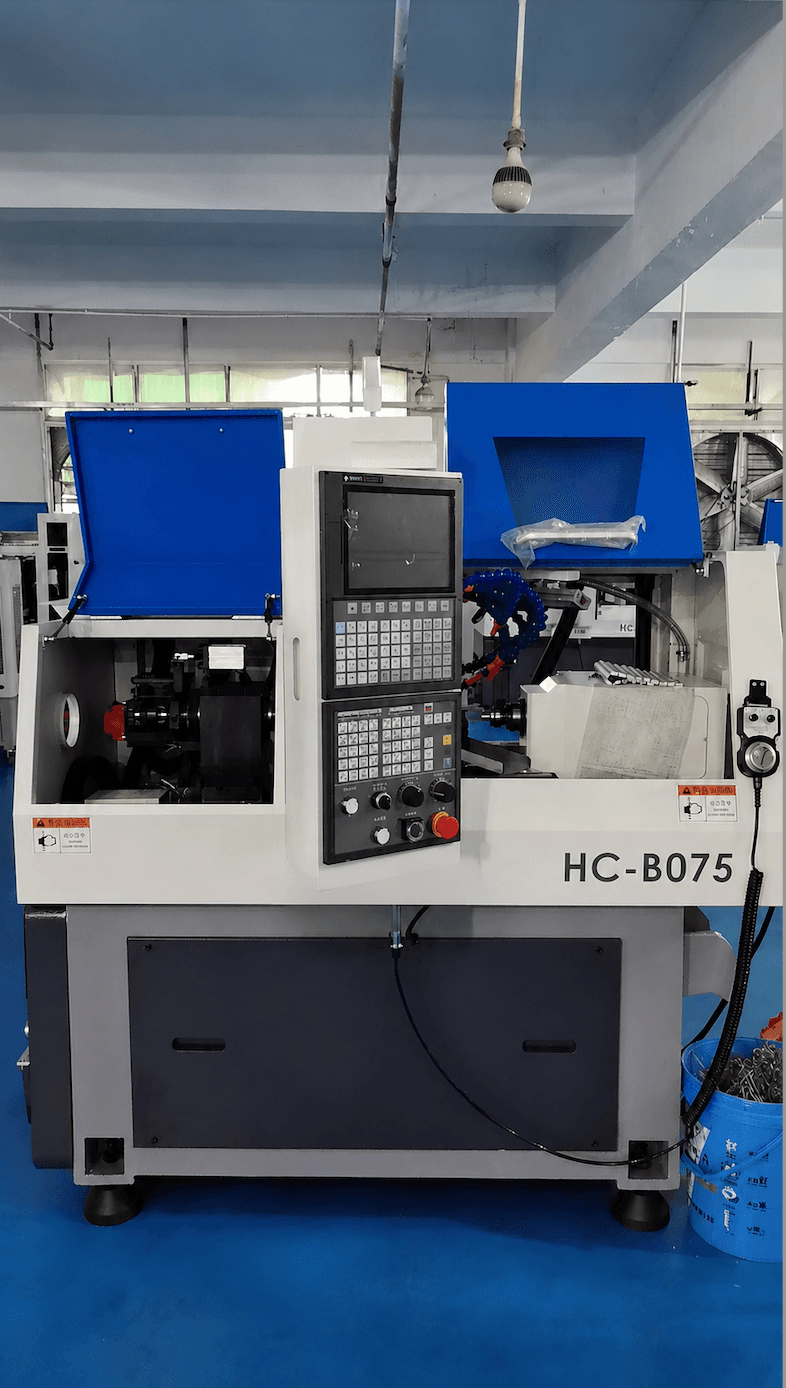
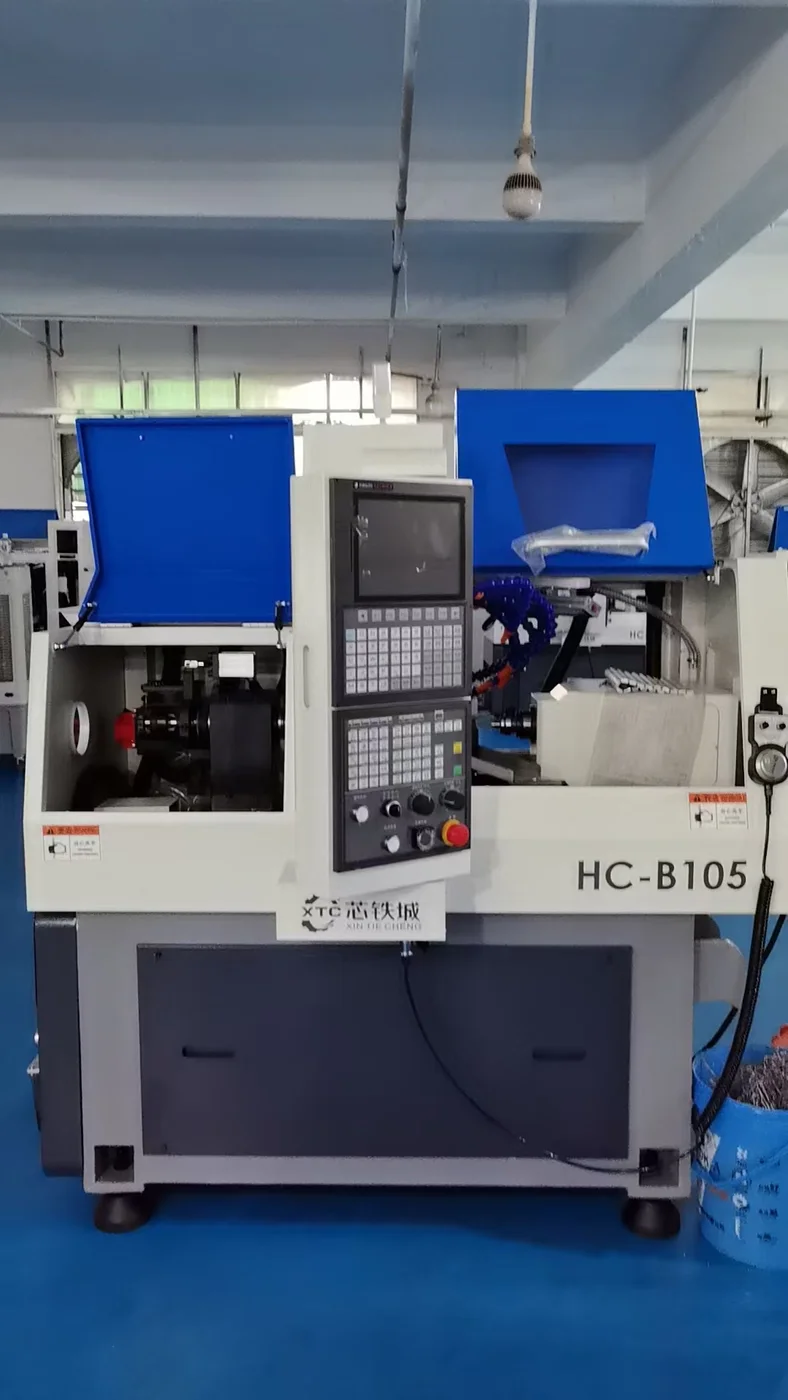
HC-B075 and HC-B105 are five-axis main-and-back-spindle platforms in the confirmed 7 mm and 10 mm classes. Their catalogue positioning includes coordinated main-and-back-spindle machining and 19 tools. This architecture can be relevant when the cut-off side needs confirmed back-working or when the process benefits from coordinated front-and-back operations.
Dual spindle does not remove the need for process review. Part transfer, tool access, surface requirements and the exact back-working features must still be checked against the drawing and confirmed machine configuration.
Use a decision sequence that can be verified
First confirm diameter and length. Next separate front-side work from back-side work. Then identify every powered-tool, indexing and drilling requirement. Finally compare tool counts, standard equipment, optional equipment and the expected production pattern.
- Choose the simplest architecture that completes the confirmed operation list.
- Do not pay for back-working capability when the part does not require it.
- Do not assume a compact platform is sufficient when the drawing contains unresolved back-side features.
- Request a drawing-led review before treating any model as the final recommendation.
HC-B105 dual-spindle factory-test machining
This published factory-test video shows coolant-supported turning and drilling on the HC-B105. It illustrates machining activity but does not replace drawing-specific process confirmation.
View it in the process video library →This guide draws on current manufacturer specifications and factory technical documentation. Our engineering review connects the drawing, tooling, cycle time, tolerance and required configuration for the intended application.